Managing Condos vs. Single-Family Rentals
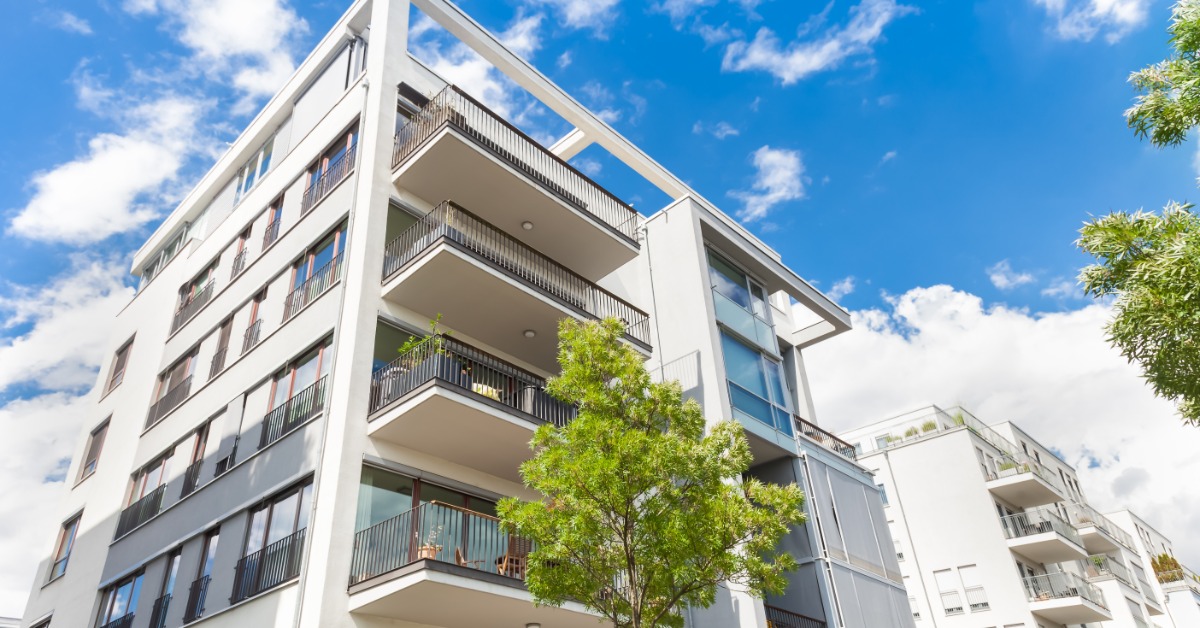
Rental ownership can offer reliable income, but the experience can change considerably based on the type of property an owner manages. A condo operates within a shared community structure, so owners must account for responsibilities that extend beyond the individual rental unit. Single-family rentals tend to give owners more independence over decisions concerning the property.
The differences between managing condo vs. single-family rentals influence how owners approach daily management. A condo may require frequent contact with an association before certain property concerns can move toward a resolution. Single-family homes often allow owners to make those decisions directly without another organization involved.
The right approach also helps owners respond to problems with greater confidence. Instead of determining responsibilities after an issue occurs, they can establish clear procedures before tenants need assistance. This preparation creates a more organized rental experience from the start.
Understand the Ownership Structure
Condo ownership does not always provide complete authority over every part of the property. An association may control areas outside the individual unit and establish standards that every resident must follow. Owners need a clear sense of where their authority ends.
Single-family ownership usually gives landlords much more direct control over the residence. Decisions about the property can often move forward without approval from an association. This independence changes how owners respond when the home needs attention.
Work Within Condo Association Rules
A condo association can establish requirements that directly affect how tenants use the property. Owners must understand these standards before they prepare a lease or accept a new resident. Clear communication can keep association expectations from becoming an unexpected problem.
Changes within the community may also affect an existing tenant. When an association adopts a relevant policy, the owner should communicate that information in a clear and timely manner. Tenants can then adjust without unnecessary confusion.
Respond to Maintenance Concerns

Maintenance inside a condo can become complicated when responsibility for the affected area remains unclear. Some problems begin inside the unit before reaching a part of the property controlled through the association. Owners must determine responsibility before repairs move forward.
A single-family rental often creates a more direct maintenance process. The owner typically has authority to approve repairs without waiting for an association to become involved. That control can help reduce delays when the property needs prompt attention.
Approach Exterior Care Differently
Condo owners may have limited responsibility for the exterior of their rental. The association often controls much of the property beyond the walls of an individual unit. Owners should still understand the exact boundary before a repair becomes necessary.
Single-family rentals require much closer attention to the entire property. Exterior deterioration can become the owner’s responsibility without another organization available to address the problem. Regular oversight helps owners recognize concerns before damage becomes more difficult to resolve.
Maintain Clear Tenant Communication
Condo tenants may occasionally receive information from the association that affects their use of the community. This can create uncertainty if residents do not understand whom they should contact about a concern. Owners can prevent confusion when they establish a clear communication process from the beginning.
With our professional property management services in Beaverton and around the Portland metro area, we can help owners create a dependable connection with tenants throughout each lease. Professional oversight gives residents a clear place to turn when a concern develops. Owners also gain greater consistency without handling every conversation personally.
Understand the Financial Commitment
Condo ownership includes expenses tied to the larger community. Association fees can change over time as the property requires additional support or major work. Owners should account for that possibility when they evaluate the financial performance of their rental.
Single-family properties place financial responsibility more directly on the owner. When the home needs substantial work, there may be no shared organization to absorb part of that expense. Financial preparation becomes an important part of responsible ownership.
Respect Tenant Privacy

Condo residents often live much closer to their neighbors than tenants in detached homes. Shared spaces can make everyday activity more noticeable throughout the community. Owners should help tenants understand how their actions may affect the people around them.
Single-family tenants often experience more separation from nearby residents. That privacy does not reduce the owner’s responsibility to respect the tenant’s home during the lease. Property access should remain professional whenever an inspection or repair becomes necessary.
Review Insurance Carefully
Condo insurance can require extra attention because an association may already maintain coverage for part of the property. Owners need to understand where that coverage ends before choosing protection for their individual rental. Gaps can become expensive when unexpected damage occurs.
Insurance for a single-family rental generally reflects the owner’s broader responsibility for the residence. Coverage needs may change as the property’s value or use develops over time. Periodic reviews can keep protection aligned with the actual rental.
Prepare for Tenant Turnover
Tenant turnover in a condo may require cooperation with association procedures. Owners should understand community requirements before setting expectations for a new resident’s arrival. Early preparation can prevent unnecessary delays near the start of a lease.
Single-family rentals generally give owners more freedom during the transition between tenants. The property can receive close attention before another resident takes possession. This period gives owners an opportunity to address concerns that developed during the previous lease.
Choose the Right Management Approach
A successful management plan should reflect the actual property rather than follow one universal method. Condo ownership often requires greater awareness of decisions made outside the individual rental unit. Single-family ownership places more authority directly with the landlord.
Professional property management can create structure when an owner does not want to oversee every detail personally. A manager can maintain consistent communication and respond when the rental needs attention. The result is an approach that reflects the property instead of forcing every rental into the same system.
Managing condos and single-family rentals requires owners to understand how responsibility changes between each property type. Condo ownership involves a relationship with a broader community structure that can influence decisions inside the rental. Single-family ownership gives landlords greater independence but also places more responsibility directly in their hands.
Rent Portland Homes can help you manage your rental properties successfully with professional support tailored to the needs of each residence. Our team can handle daily property demands and maintain dependable communication with your tenants throughout each lease. With us on your side, you can protect your rental investment and approach property ownership with greater confidence.