What are the pros and cons of renting a furnished apartment to tenants?
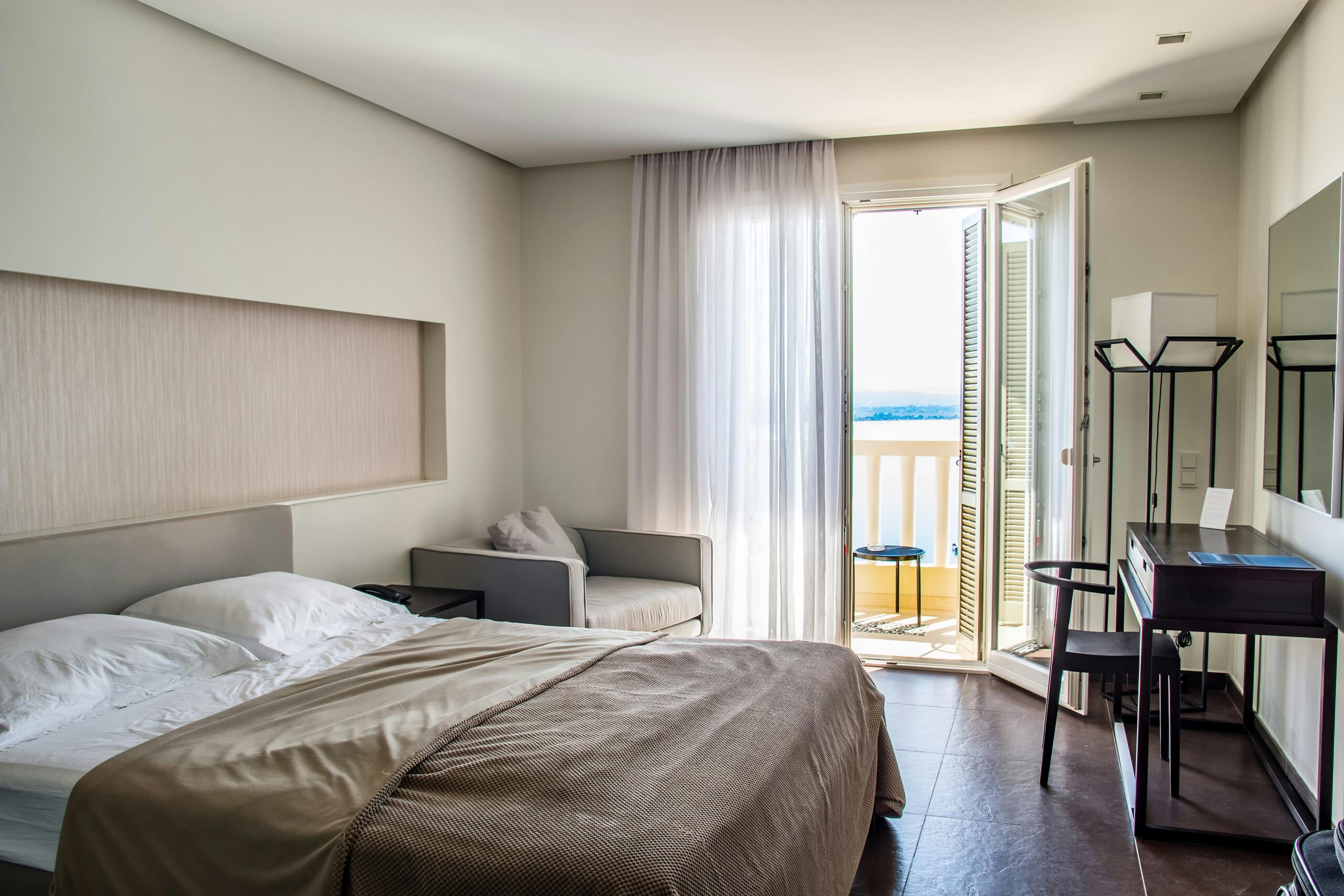
Thinking about offering your tenants a furnished apartment? As a property manager, you’re constantly looking for that “secret sauce” to minimize vacancies and maximize ROI. One question that inevitably pops up during a turnover is: “Should I furnish this unit?” In the modern rental market, the answer isn’t a simple yes or no.
The rise of digital nomads, traveling professionals, and a more mobile workforce has shifted the demand for turnkey living. However, turning a blank canvas into a fully styled home comes with its own set of headaches.
Let’s break down the pros and cons of offering a furnished apartment to help you decide if it’s the right move for your portfolio.
The Perks: Why Furnishing Pays Off
1. Higher Monthly Rental Premiums
This is the most immediate benefit. When you provide furniture, you aren’t just renting out square footage; you’re providing a service. Tenants are often willing to pay 15% to 40% more than the market rate for an unfurnished unit because they are saving on the upfront cost and logistical nightmare of buying and moving their own items.
2. Shorter Vacancy Periods for Specific Demographics
In high-demand urban centers or areas near hospitals and universities, furnished units often move faster. If your target tenant is a corporate executive on a six-month contract or a traveling nurse, they don’t have time to shop for a sofa. By offering a “plug-and-play” home, you become the path of least resistance.
3. Targeted Tax Deductions
From a financial perspective, furniture isn’t just an expense—it’s an asset. In many jurisdictions, you can depreciate the cost of furniture over several years or deduct the cost of repairs and replacements as business expenses.
Pro Tip: Always consult with a tax professional to see how the “Capital Allowance” on furnishings applies to your specific tax bracket.

The Pitfalls: The Hidden Costs of Convenience
1. Increased Wear and Tear
Furniture doesn’t just sit there; it gets lived on. Stains on the rug, scratches on the dining table, and sagging mattress springs are inevitable. Unlike a wall you can simply repaint, a ruined mid-century modern sofa is a significant capital loss. You’ll need to factor in a more rigorous maintenance schedule and a higher budget for replacements.
2. Higher Tenant Turnover
While furnished apartments attract a specific crowd, that crowd is notoriously transient. People looking for furnished units are rarely looking to sign a two-year lease. This leads to more frequent turnovers, which means more time spent on:
-
Marketing and showings.
-
Deep cleaning (steam cleaning upholstery is a must).
-
Administrative tasks like move-in/move-out inspections.
3. Storage and Inventory Logistics
When you rent an unfurnished unit, the inventory list is short: keys, smoke detectors, and appliances. With a furnished unit, you need a detailed Inventory and Condition Report. You’ll be counting forks, checking the legs on every chair, and ensuring the toaster still works. If a tenant wants to bring their own bed but keep your sofa, you’re stuck paying for a storage unit for the discarded items.

The “Middle Ground” Strategy
If you’re on the fence, consider the “Partially Furnished” approach. Focus on the heavy hitters that are a pain to move:
-
Dining Sets: A sturdy table and chairs.
-
Major Storage: Bookshelves or wardrobes.
-
Bed Frames: Leaving the mattress choice (and hygiene) to the tenant.
This provides the “look” of a finished home in photos—which helps with marketing—without the liability of smaller, breakable items like lamps or linens.

Is it Right for Your Property?
|
Location
|
Near business districts or hospitals. | Suburban family neighborhoods. |
|
Lease Term
|
You prefer short-term/flexible stays. | You want stable, 12-month+ tenants. |
|
Management Style
|
You are hands-on or have a cleaning crew. | You prefer a “set it and forget it” approach. |
|
Property Type
|
Studio or 1-bedroom apartments. | Large 3+ bedroom family homes. |

Contact Us
Learn more about the property management services that we can offer you by caling us today at (503) 646-9664 – Talk to a Live Person – Our office answers the phone 9 AM to 5 PM Monday through Friday – or click here to connect with us online.
| Factor | Furnished is Better If… | Unfurnished is Better If… |
| Location | Near business districts or hospitals. | Suburban family neighborhoods. |
| Lease Term | You prefer short-term/flexible stays. | You want stable, 12-month+ tenants. |
| Management Style | You are hands-on or have a cleaning crew. | You prefer a “set it and forget it” approach. |
| Property Type | Studio or 1-bedroom apartments. | Large 3+ bedroom family homes. |
Final Thoughts
Offering a furnished apartment is essentially a trade-off: you are trading stability for higher cash flow. If your property is in a bustling metro area with a rotating door of professionals, the investment in a stylish, durable furniture package can pay for itself within a year.
However, if you value long-term tenants who treat the space as their own, leaving the walls (and floors) blank is usually the safer bet. Whatever you choose, ensure your lease agreement includes a specific “Furniture Addendum” to protect your assets!
Are you considering furnishing your next vacancy, or have you had a “furnished nightmare” story you’d like to share? Let’s discuss in the comments below!