How to Handle Emergency Maintenance at Your Rental Property

As a property owner, few things trigger a spike in adrenaline quite like a late-night phone call from a tenant. When a voice on the other end says, “The ceiling is leaking” or “The heat is completely out,” your management skills are put to the test immediately.
Maintenance requests are a normal part of the rental business, but emergency rental maintenance requires an entirely different level of speed, communication, and strategy. Knowing how to respond efficiently not only protects your financial investment from severe damage but also preserves your relationship with your renters and keeps you compliant with landlord-tenant laws.
Here is a step-by-step blueprint for effectively handling emergency maintenance issues at your rental property.

1. Define What Constitutes a True Emergency
Before an incident ever occurs, you and your tenants must be on the same page about what is—and isn’t—an emergency. A broken dishwasher or a squeaky door can wait until Monday morning. A true rental emergency is an active, urgent issue that threatens tenant safety, health, or the building’s structural integrity.
True emergencies generally include:
- Rushing or flooding water (burst pipes, major roof leaks)
- Total loss of heat during freezing winter temperatures
- Total loss of air conditioning during extreme, hazardous heat waves
- Gas leaks or the smell of gas
- Electrical sparks, smoke, or complete power failure (not caused by an outage)
- An unsecure property (broken front door locks or shattered windows)
Educate your tenants on these boundaries during the lease signing so your phone doesn’t ring at 2:00 AM for a clogged garbage disposal.

2. Establish a Clear Reporting System
When chaos strikes, tenants need to know exactly who to call. Relying on standard email or text messages for rental emergencies is a recipe for disaster. Provide renters with a dedicated 24/7 emergency phone line. If you manage the property yourself, ensure your phone is accessible. If you use a property management company, make sure the tenants have their specific after-hours hotline.
Instruct tenants that in life-threatening scenarios—such as a fire or a violent break-in—they must dial 911 before contacting you.
3. Triage and De-escalate Immediately
When the call comes in, stay calm. Your tenant is likely stressed, and your steady composure will help de-escalate the situation. Ask targeted questions to understand the scope of the problem.
If applicable, give immediate mitigation instructions over the phone. For example, if a pipe has burst, walk the tenant through finding and turning off the main water shut-off valve. This single instruction can save you thousands of dollars in drywall and flooring repairs while you wait for a plumber to arrive.
4. Deploy Trusted Vendors
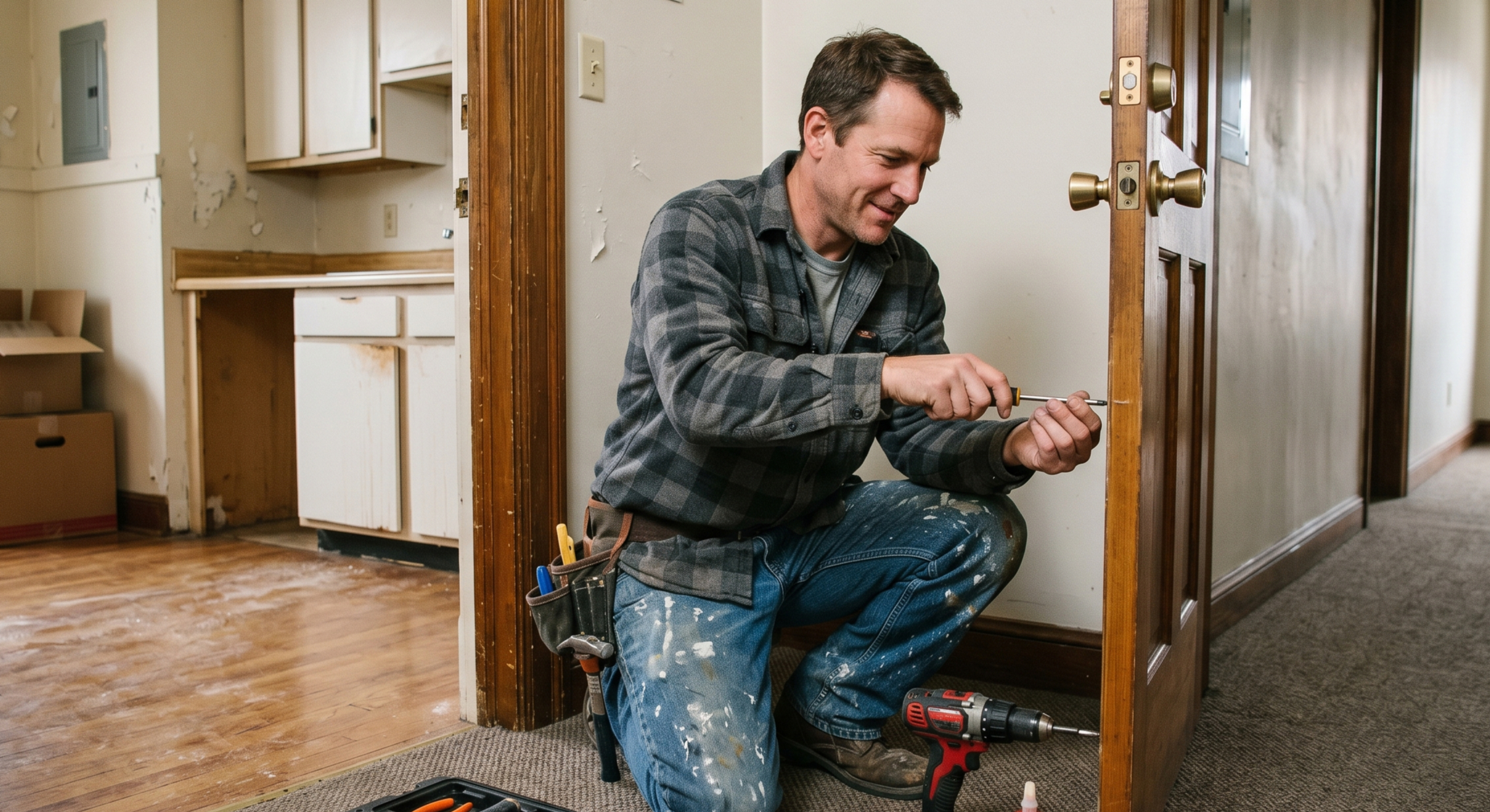
An emergency is not the time to start browsing Yelp for a contractor. You should have a pre-vetted roster of emergency vendors—including a plumber, an electrician, an HVAC technician, and a general handyman—who offer 24/7 services and whom you trust implicitly.
Contact your vendor immediately, explain the situation, and get an estimated arrival time. Relay this timeline back to your tenant so they know help is on the way.

5. Document Everything
From the moment you receive the initial alert, document every detail. Keep a log of the time the call was received, the instructions given, when the vendor was dispatched, and when the issue was resolved. Take photos of the damage before and after the repair. This documentation is vital for insurance claims, security deposit tracking, and any potential legal disputes.

6. Follow Up and Prevent Future Outages
Once the immediate danger has passed, follow up with your tenant to ensure the repair was successful and that their living conditions are back to normal. Finally, conduct a post-incident review. Why did the issue happen? Could a routine inspection have prevented it? Use the experience to tighten your preventative maintenance schedule.
Handling emergencies gracefully is the hallmark of a professional landlord. By setting expectations, building a vendor network, and acting decisively, you can turn a stressful property crisis into a showcase of excellent customer service.

Ready to put the stress of DIY property management behind you? We can help! Contact us today by calling (503) 646-9664 – Talk to a Live Person – Our office answers the phone 9 AM to 5 PM Monday through Friday – or click here to connect with us online.