How Managers Handle Tenant Move-Out Processes

A tenant move-out creates an important transition for a rental property. What may appear to be a simple departure often requires close attention from the property manager before the home becomes available for another resident. Learning how managers handle tenant move-out processes helps owners retain control of the property and gives the tenant clear expectations through the final lease period.
Property managers approach each departure with a defined process rather than react to issues as they appear. They rely on the lease, established property records, local requirements, and direct communication to determine what must occur before the tenancy officially ends. This approach creates a smoother transition and reduces uncertainty for everyone involved.
Every move-out presents different circumstances. One tenant may leave a spotless home with no unresolved account concerns, whereas another departure may require extensive repair work or additional communication. An experienced property manager adapts to those circumstances without abandoning consistent standards.
Clear Tenant Communication
A successful move-out begins once the manager receives formal notice from the tenant. The manager reviews the notice against the lease and confirms whether the proposed departure date meets established requirements. Prompt communication gives both parties a clear foundation for the final lease period.
The tenant should know what the property manager expects before departure. Rather than overwhelm the resident with scattered instructions, the manager provides direct information that relates to the property and lease. This approach reduces misunderstandings and gives the tenant enough time to address responsibilities before departure.
Establish Expectations Before Departure
Property condition can become a source of disagreement when expectations remain unclear. Property managers reduce that risk through direct communication about how the home should appear once the tenant leaves. The lease provides an important reference throughout this conversation.
Professional oversight brings structure to a transition that can otherwise become difficult to manage. Owners gain a knowledgeable resource that can address each departure according to the circumstances of the property.
Evaluate the Property With Care

Once the tenant leaves, the property manager needs an accurate view of the home’s condition. A careful inspection provides information that casual observation can easily miss. The manager examines the property with prior documentation in mind and notes meaningful changes that occurred during occupancy.
Context matters during this evaluation because every sign of use does not represent tenant damage. A home naturally changes over time, even when residents treat it with reasonable care. Managers use available records and professional judgment to determine whether an observed condition deserves further attention.
Create Reliable Property Documentation
Clear documentation gives property managers a factual basis for decisions that follow the inspection. Photographs can capture visible conditions, whereas written notes add context that an image alone may not provide. Together, these records create a useful account of how the property appeared at turnover.
Strong documentation also gives owners greater clarity when unexpected property concerns arise. Instead of relying on memory or assumptions, the manager can refer to records from different stages of the tenancy. That evidence supports more measured decisions and can reduce confusion if a former tenant questions a charge.
Restore Control of the Rental Home
The end of occupancy should also mark a clear transfer of property control. Managers confirm that the tenant has surrendered access and no longer treats the home as an occupied residence. This moment establishes an important boundary between the former tenancy and the next phase for the property.
Access problems can interfere with the work that follows a tenant departure. As professionals in West Linn property management, Rent Portland Homes is your best solution to create a dependable move-out experience for owners and gain control of the home. Once control returns to management, authorized people can enter the home as needed without uncertainty about the former resident’s status.
Address Property Concerns Promptly
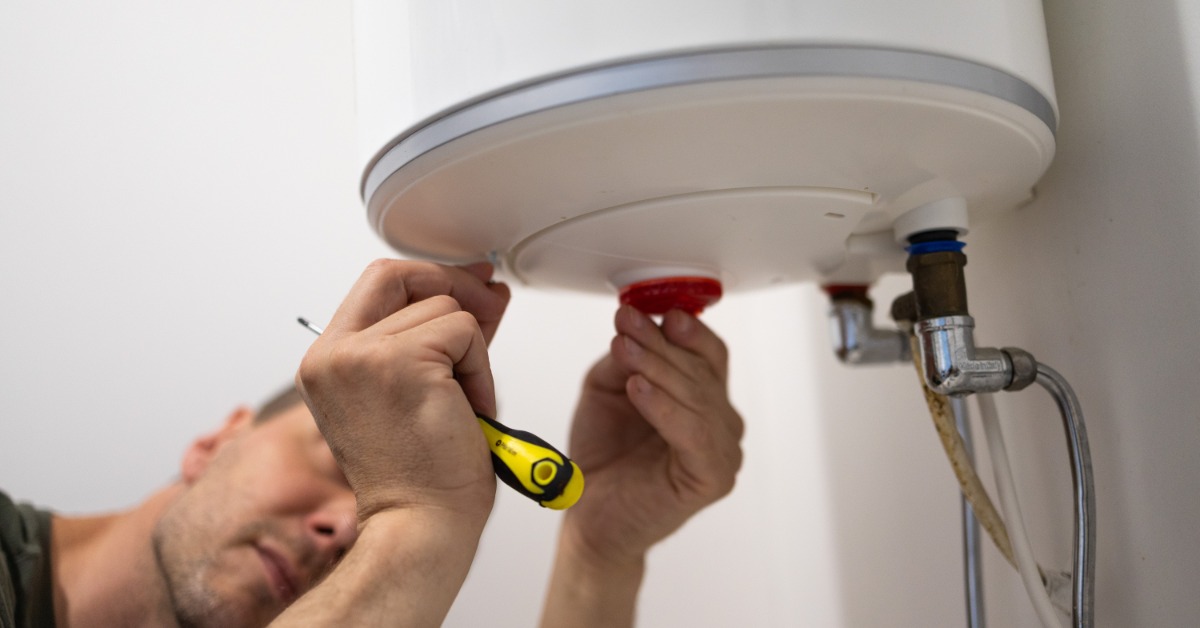
An inspection may reveal conditions that need attention before the home can return to the rental market. Property managers assess each concern according to its effect on the property rather than treat every issue with the same response. This judgment helps direct resources toward work that genuinely deserves attention.
Managers also communicate with the owner when a property needs substantial work. Clear explanations allow the owner to understand why action may be appropriate and how the issue affects the home. Good communication keeps decisions grounded in the actual condition of the rental rather than assumptions about what might be necessary.
Prepare the Home for Its Next Lease
A vacant rental home often needs attention before another tenant can take possession. A successful move-out process with a management company will restore the home to an appropriate rental condition. This assessment helps prevent minor concerns from remaining unresolved until a future resident discovers them.
Preparation also gives managers an opportunity to view the property from a new tenant’s perspective. A home should present a cared-for appearance that reflects responsible ownership and professional oversight. Thoughtful preparation can strengthen the transition from one tenancy to the next without unnecessary work or expense.
Resolve the Former Tenant Account
The financial relationship does not always end the moment a tenant leaves the property. A manager must review the account carefully before considering the tenancy fully closed. Accurate records help determine whether the final balance reflects the lease and documented circumstances.
If questions arise, the manager can refer to established records rather than reconstruct events from memory. This makes communication more precise and helps prevent small discrepancies from becoming larger disputes. Once the account reflects the correct outcome, management can complete the financial portion of the departure with confidence.
Complete the Move-Out Record
A tenant departure deserves a clear conclusion rather than an informal end. Property managers complete the file in a manner that preserves an accurate history of the tenancy and its outcome. This record can become valuable if questions emerge months after the resident has left.
The completed move-out also gives management useful context for the property’s future. Records can help explain conditions that appear during later inspections or provide background for owner decisions. Consistent documentation creates continuity even as tenants change and the rental begins another lease cycle.
Tenant move-outs demand careful attention because the end of a lease affects far more than the departing resident. The property itself becomes the central focus once occupancy ends, and management must determine its condition before the next phase can begin. Clear communication and reliable records give that transition the structure it needs.
At Rent Portland Homes, we offer professional property management services that give rental owners dependable support throughout every stage of a tenancy. Our team takes a proactive approach to property care and tenant communication with close attention to the unique needs of each rental home. With local expertise and consistent oversight, Rent Portland Homes helps owners approach rental property ownership with greater confidence and fewer demands on their personal time.