How Oregon Landlords Can Fight Squatters in 2026
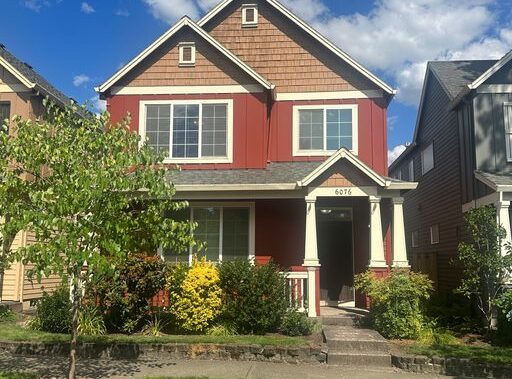
For years, Oregon property owners faced a grueling legal loophole when dealing with squatters. If an unauthorized person occupied a vacant home without a lease, they weren’t always considered “trespassers” by police; instead, they were often viewed as “civil occupants.” This forced landlords into a lengthy, expensive legal process known as ejectment, which could take six months to a year to resolve.
However, as of January 1, 2026, the legal Oregon landscape has shifted significantly in favor of property owners. With the enactment of House Bill 3522 (HB 3522), Oregon has finally streamlined the process for removing unauthorized occupants, giving landlords the “teeth” they need to protect their investments.
The Game Changer: HB 3522
The most critical tool in a landlord’s arsenal is now HB 3522. This bipartisan legislation was designed specifically to close the gap between trespassing and formal tenancy.
How HB 3522 Protects You:
- Expedited Notice: Under this law, a landlord or property owner can serve a 24-hour written notice to a squatter. This notice must explicitly state that the individual is being terminated for being a squatter and provide a specific date and time for vacating.
- Access to FED: Previously, the Forcible Entry and Detainer (FED) process—Oregon’s standard, fast-track eviction court—was reserved for legal tenants who breached a lease. HB 3522 expands the FED process to include squatters.
- Shortened Timelines: Instead of waiting a year for an ejectment case, landlords can now reclaim their property in a matter of weeks through the local circuit court.

Relevant Laws and Landlord Rights
While HB 3522 is the newest defense, it works in tandem with existing Oregon Revised Statutes (ORS) to define your rights:
- ORS 90.403 (Unauthorized Possessors): This statute traditionally allowed for 24-hour notices for “unauthorized subtenants.” HB 3522 reinforces these definitions to ensure that people who enter a property without a prior relationship with the landlord can be swiftly removed.
- ORS 105.620 (Adverse Possession): Many landlords fear “squatter’s rights” that could lead to a loss of ownership. In Oregon, a squatter must openly, notoriously, and continuously occupy a property for 10 years to claim title. By acting immediately under the new 2026 guidelines, you effectively reset this clock and negate any claim to adverse possession.
- The “No Self-Help” Rule: Despite the frustrations of squatting, Oregon law is strict about how you remove people. You cannot change the locks while they are inside, shut off utilities, or use force on yourself. Doing so can lead to “unlawful ouster” lawsuits where the landlord ends up paying the squatter damages. You must use the court and the Sheriff.

Steps to Fight Back
If you discover someone living in your property without permission, follow this legal roadmap:
- Verify Status: Ensure the person is truly a squatter and not a “holdover tenant” (someone whose lease expired) or a guest of a previous tenant. The legal requirements for these groups differ slightly under ORS Chapter 90.
- Serve Formal Notice: Deliver the 24-hour notice as prescribed by HB 3522. It is highly recommended to have a professional process server or property manager handle this to ensure it meets all “service of notice” requirements.
- File the FED Action: If they haven’t left after 24 hours, file an eviction complaint in your county’s circuit court.
- Obtain a Writ of Execution: Once the judge rules in your favor, the court will issue a judgment. If the squatter still refuses to leave, the County Sheriff is the only official authorized to physically remove them.
Prevention is the Best Defense
Preventing squatters is more effective than dealing with them after the fact. Install smart locks and Oregon security cameras, check vacant units weekly, post clear “No Trespassing” signs, and maintain the exterior to ensure the property appears occupied.
- Conducting weekly physical inspections of vacant units.
- Ensuring “No Trespassing” signs are clearly posted.
- Maintaining the exterior to prevent the property from looking “abandoned.”

Get Professional Help with 4 Rent Local
Navigating the complexities of HB 3522 and the Oregon FED process requires precision. A single clerical error on a notice can result in a case being dismissed, forcing you to start the clock all over again while the squatter remains in your home.
Don’t navigate legal risks on your own. Contact 4 Rent Local now for expert property management. We will secure your properties, ensure only screened tenants reside there, and keep you fully compliant with Oregon’s evolving laws. Take action today and let us handle the challenges while you maximize your property returns.
CALL TODAY: (503) 646-9664 – Talk to a Live Person – Our office answers the phone 9 AM to 5 PM Monday through Friday – or click here to connect with us online.